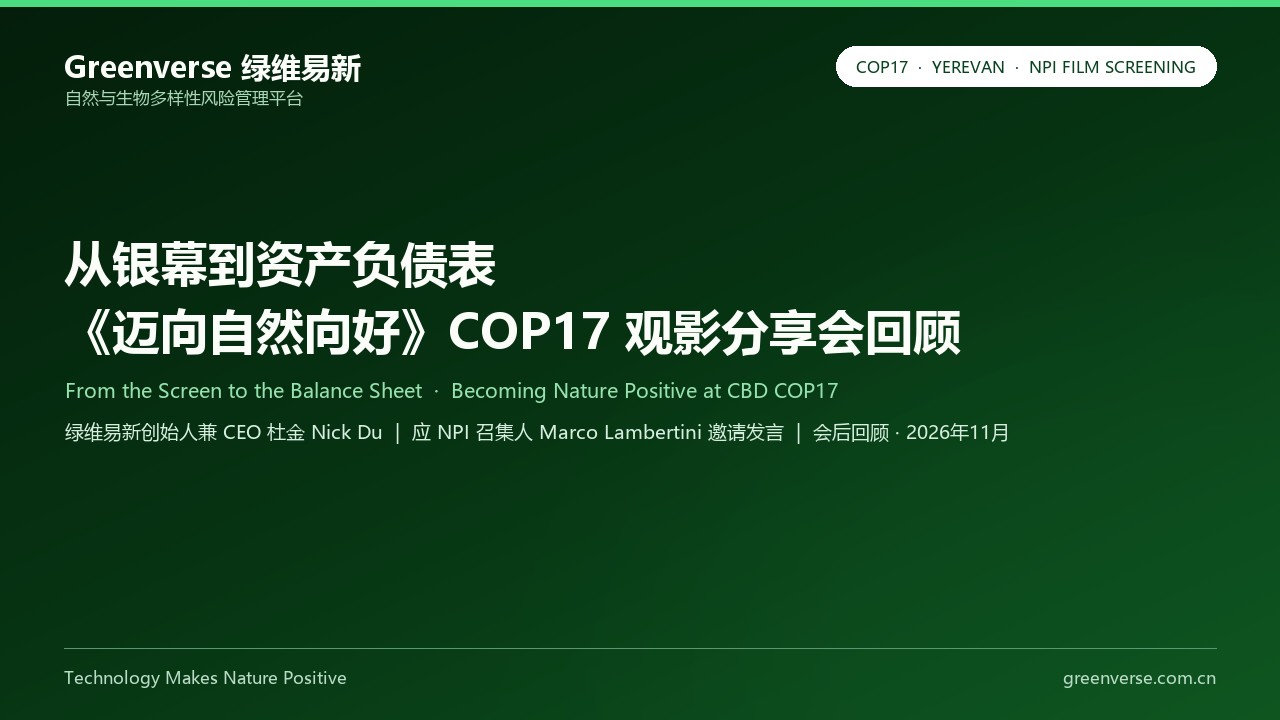
From the Screen to the Balance Sheet: Greenverse Founder Nick Du Reflects on the Becoming Nature Positive Film Screening at CBD COP17
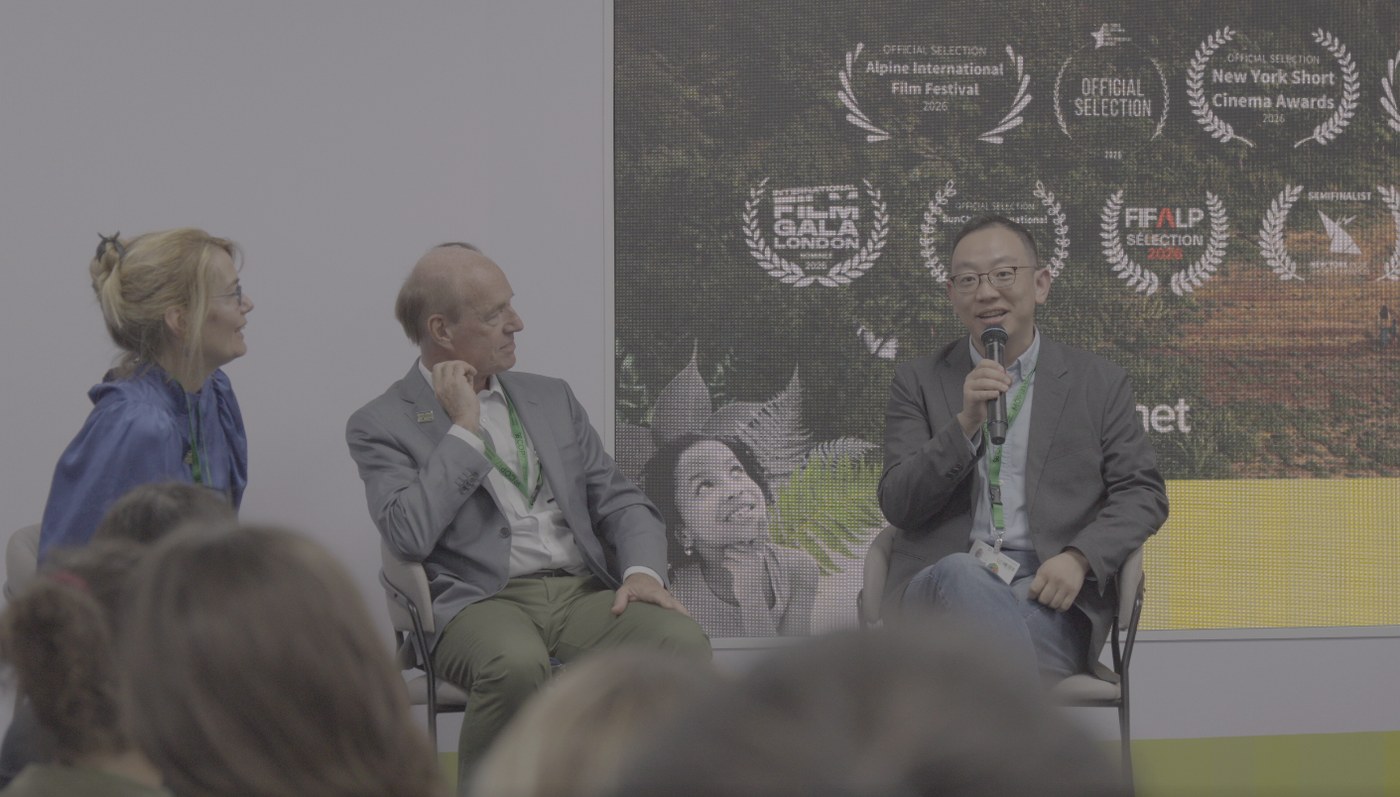
At a packed Nature Positive Pavilion during CBD COP17 in Yerevan, the documentary Becoming Nature Positive put a stark number in front of the room. Invited on stage by Marco Lambertini, Greenverse Founder and CEO Nick Du shared the answer from the Chinese side: nature positive is a shift in how the economy works.
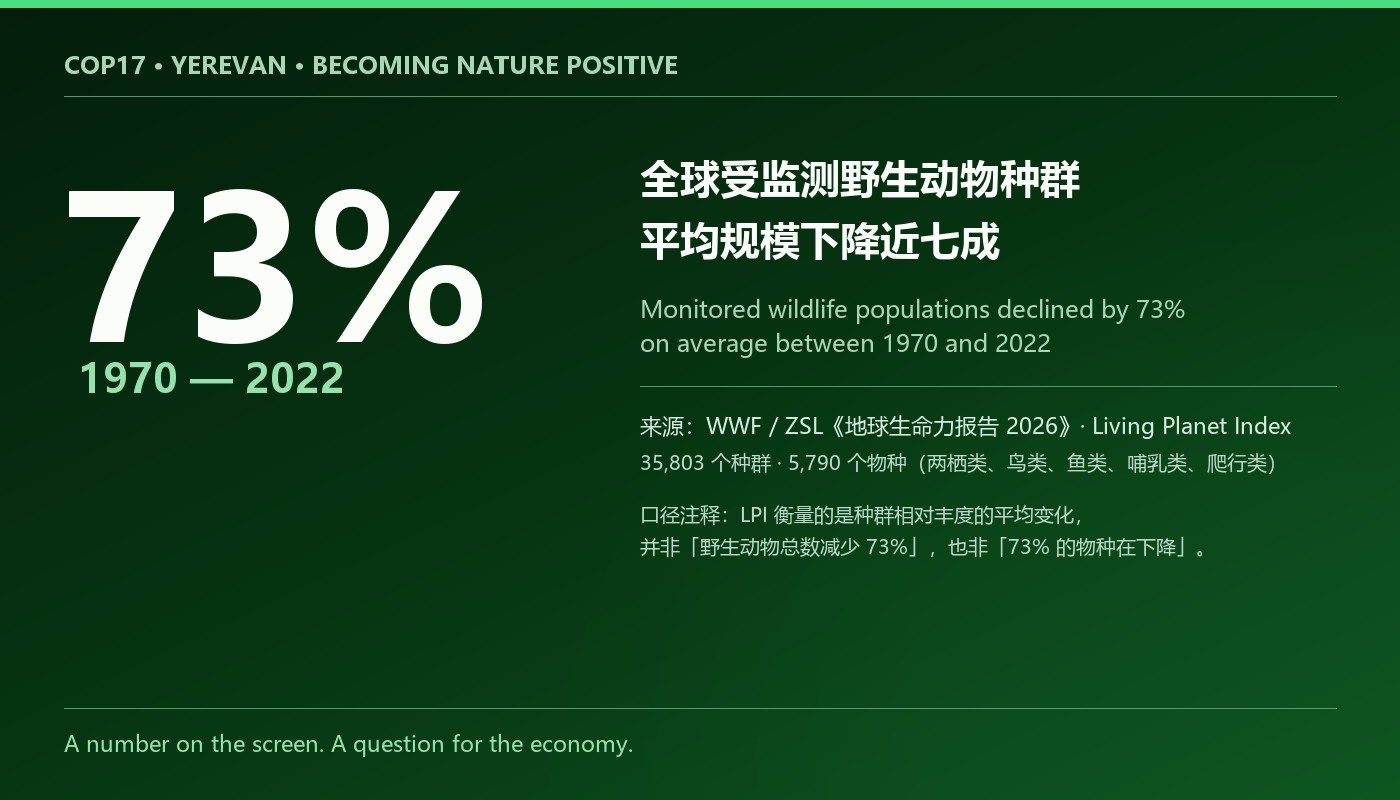
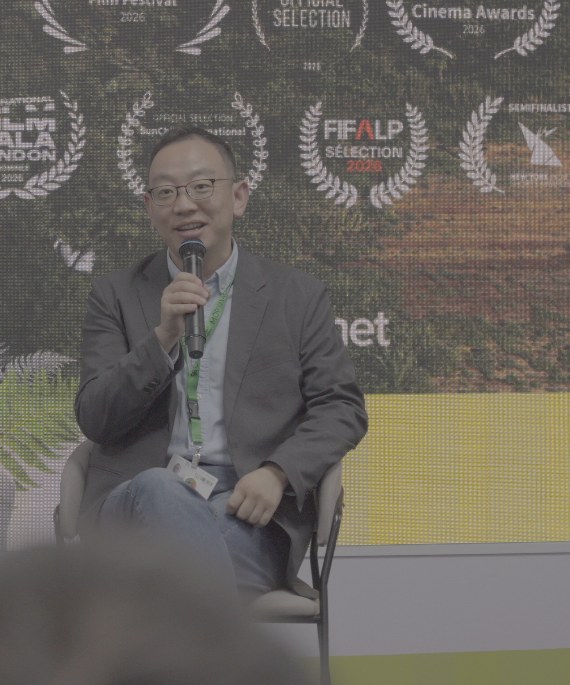
Yerevan, Armenia, October 2026 — The Nature Positive Pavilion in the Blue Zone of CBD COP17 was full. The documentary Becoming Nature Positive had just ended and the lights came up, leaving a stark number in front of everyone: since 1970, the average size of monitored wildlife populations has fallen by nearly seven tenths. Under the Living Planet Index used in the WWF/ZSL Living Planet Report 2026, that average decline is 73% between 1970 and 2022 — a measure of change in relative abundance, not a 73% fall in the total number of animals, and not 73% of species in decline. At the invitation of Marco Lambertini, Convener of the Nature Positive Initiative and Executive Director of the film, Nick Du, Founder and CEO of Greenverse, took the stage. Standing beside him, what he most wanted to convey was the answer from the Chinese side: nature positive is not another environmental topic, but a shift in how the economy works.
01 | A film that put "why" in front of everyone
Becoming Nature Positive is a 30-minute documentary created by the Nature Positive Initiative and co-produced with Open Planet Studios, bringing together scientists, business leaders, policymakers and civil society voices. It premiered at Climate Hub Davos during the 2026 Annual Meeting of the World Economic Forum and has since been screened at selected high-level events, including COP17 in Yerevan, with free worldwide streaming available. Rather than dwelling on collapse, it places nature loss, climate and inequality in the same frame and asks what choices decision-makers still have. That is why the conversation after the screening moved naturally from a film to how an economy operates.
For a nature-tech company, the significance of that number is not another retelling of the crisis. It pushes the question from "whether to act" to "how to calculate". Seventy-three per cent is a global average; it cannot become the risk figure of any individual company or bank. For nature to enter operating and financial decisions, it must first be broken down into variables that can be located, assessed and verified — and that is engineering beyond the consensus.
02 | The answer from the Chinese side
"Nature positive is a shift in how the economy works. From identifying companies' dependencies and impacts on nature, to writing nature-related risk into the balance sheets of financial institutions — Chinese companies have already started down this road." That was the one sentence Du most wanted the room to take away.
It has two layers. The first is dependency and impact: a company's water use, land use, raw materials and supply chains are embedded in specific ecosystems at specific coordinates. The second is financial transmission: as those dependencies and impacts turn into costs, impairments, credit exposure and investment risk, nature ceases to be an externality outside the accounts and becomes a line that has to be identified, measured and managed on the balance sheet. Connecting the first layer to the second is what the "shift" actually means.
03 | Three engineering questions between the screen and the balance sheet
Turning a shared goal into a decision requires at least three things. First, site-level data: dependencies and impacts occur at particular sites, in upstream raw materials and along supply chains, and a global average cannot substitute for them. Second, comparability and credibility: data from different jurisdictions and sectors need a common language — frameworks such as TNFD and ISO 17298 provide it — together with third-party verifiability. Third, integration: assessment results must be able to enter credit approval, investment review, risk management and disclosure, rather than remain in a standalone report. These were the questions that kept coming back in the room.
This is the work Greenverse does: turning frameworks into a reusable data foundation. Its Biodiversity Risk Management Platform is listed in the TNFD Global Official Tools Catalogue and, built on the LEAP approach, supports site-level assessment and multi-source ecological data validation. Released in November 2026, Version 3.0 of the Nature & Biodiversity Risk Management Platform organises capabilities across three layers — assessment foundation, analysis and decisions, and application and assurance: from site and spatial information management and dependency and impact assessment, through risk prioritisation and financial impact analysis, to applications for financial institutions and linkage with third-party assurance. In short, it turns the direction on the screen into an information foundation companies can use again and again. Read about Platform 3.0 →
04 | After the lights came up
The film ended, the lights came up, and the real work began. The global framework is clear enough; what matters next is who can turn it into executable, verifiable, reusable everyday actions. If you are wondering which operating site, which supply chain or which credit or investment decision scenario to start with, we would be glad to talk — a conversation about an assessment path is a perfectly good place to begin.
About Greenverse
Greenverse is a Shanghai-based nature-tech and advisory company focused on ESG biodiversity and nature-related risk management. Combining international frameworks such as TNFD, SBTN and ISO 17298 with AI, remote sensing and China's ecological databases, Greenverse helps companies and financial institutions identify, assess and manage nature-related risks and opportunities. Learn more: greenverse.com.cn.
GET STARTED · NATURE RISK ASSESSMENT
Want to turn a global framework into a decision? Start with a conversation.
Tell us your operating sites, sector and the management, disclosure or credit scenarios you care about. We will map an assessment path with you — no complete dataset needed before the first conversation.
Or scan our WeChat Work QR code on the contact page. We only use the information you choose to share to respond to your enquiry.